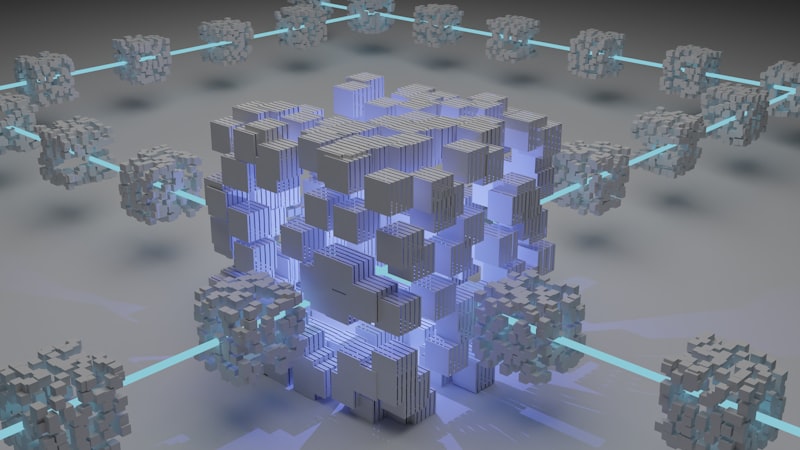
You've decided to protect your products with NFC authentication. The natural worry is operational: does this mean re-engineering your production line? With SealTrust, it doesn't. We deliver the tags pre-provisioned, run the cryptography and the blockchain layer as a managed service, and bind each item to its digital identity at the end of your existing line. This piece explains what cryptographic NFC can do for your products, where it fits physically, and what to expect when you deploy with SealTrust — written for the people who'll evaluate it: brand owners, production leads, and operations managers.
Why Cryptographic NFC, Not Just Any Tag
Ordinary NFC tags carry static data that anyone with a basic reader can copy in seconds. They're fine for marketing taps. They prove nothing about authenticity. SealTrust uses cryptographic NFC chips (NTAG 424 DNA) instead, because they behave fundamentally differently: every tap produces a one-time cryptographic code that SealTrust's platform verifies, and a replayed code is rejected instantly. That single property — a response that can never be reused — is what turns a tag into proof. The underlying mechanism is standard hardware AES-128 with Secure Dynamic Messaging (SDM) and an anti-replay counter; the important part for you is the outcome, not the algorithm: a tag that cannot be cloned and a scan that cannot be faked. SealTrust handles the entire cryptographic side for you — key management, provisioning, and server-side verification all run on our platform.
Where the Tag Goes: What to Expect on Real Products
A tag only protects a product if a smartphone can actually read it, and that depends on the surface it sits against. This is ordinary NFC physics, and it shapes where we place the tag on your product. SealTrust handles the placement decision for you, but it helps to know what drives it.
Metal and liquids fight NFC. A metallic surface dampens the antenna, and liquids absorb the signal at NFC's operating frequency. Neither is a blocker — for metal we use on-metal tags with a built-in shielding layer, and for bottles or vials we place the tag on a dry area such as the cap, collar, or an external label. You still get a reliable tap; we simply choose the right tag construction and position for the material.
Textile, leather, paper, and plastic are transparent to NFC. These materials let the signal through cleanly, so the tag can sit directly inside a woven label, a bag lining, or cardboard packaging with no special treatment and no visible change to the product.
Antenna size trades off against read range. A larger antenna gives a longer, more forgiving read range; a miniaturized tag reads from closer up but disappears into jewelry, caps, or small components. SealTrust selects the format that matches your product and validates it across a spread of iOS and Android devices before anything ships — so what reaches your customers reads on the first tap.
How It Drops Into Your Line
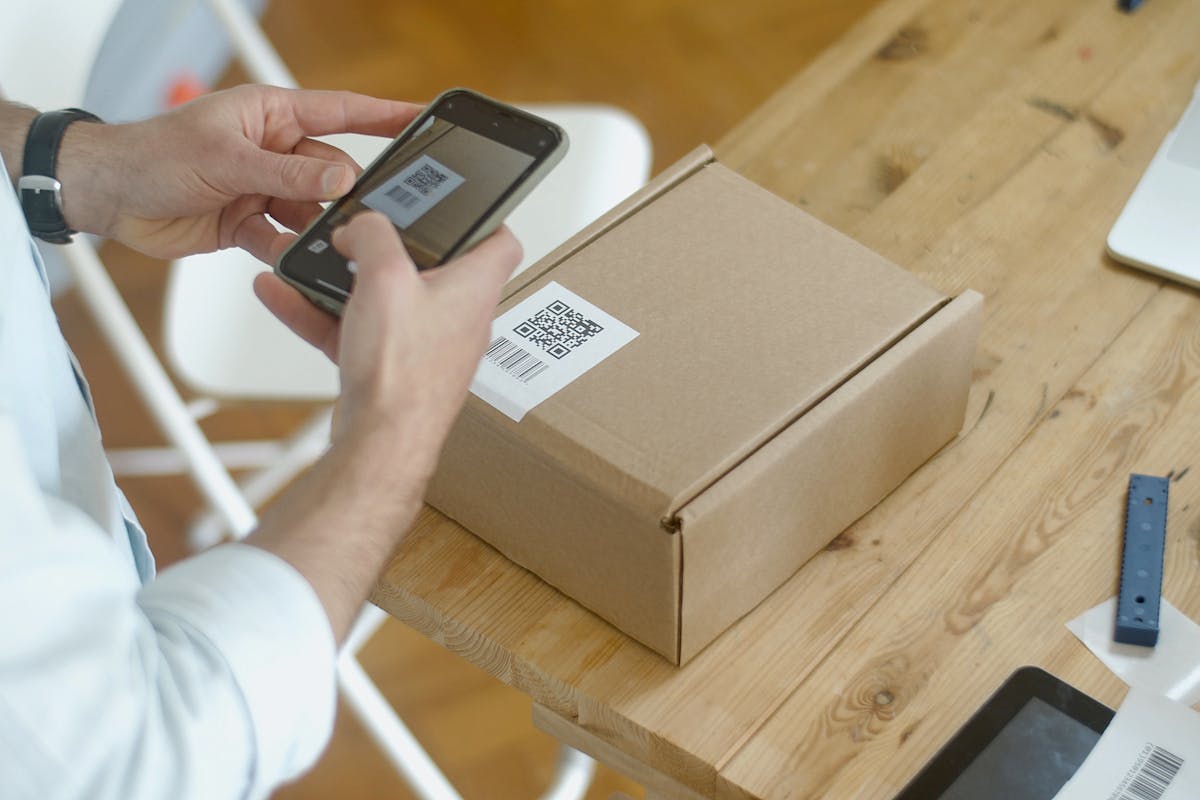
The tags arrive ready to use — already carrying their unique cryptographic identity, provisioned by SealTrust. Nothing about the cryptography happens on your floor. Your team embeds the tag at the finishing stage, exactly where a label, lining, or seal already goes, and a single end-of-line scan binds that physical tag to its product record and activates it. That scan can run through the SealTrust app or connect to your existing systems. For most brands, integration takes days, not months, and slots into the line you already run rather than replacing it.
Built to Last as Long as the Product
Authentication is worthless if it fades. NTAG 424 DNA is rated for roughly 10-year data retention, so a tag embedded today still verifies a decade from now — through the product's working life and into the resale market. For categories that face heat, humidity, or mechanical stress, SealTrust selects tag constructions suited to those conditions and validates readability before rollout. You don't specify any of this; it's part of what SealTrust handles when we scope your deployment.
What Brands See After Deployment
The point of all of this is business outcomes, and brands running cryptographic NFC authentication report them on three fronts. Counterfeiting incidents fall, because a fake has no valid tag and is exposed the instant a customer or reseller scans it. E-commerce conversion rises, because a buyer who can verify a product before purchase trusts the listing more. And every scan becomes a direct, anonymized signal — where products are verified, how often, by whom — intelligence most brands have never had. None of it requires your customers to install an app or understand a wallet: they tap, and in under two seconds they see a genuine result.
Getting Started
SealTrust delivers this as a managed service: pre-provisioned NTAG 424 DNA tags, the platform that verifies every scan, and the blockchain layer that records provenance — none of which you build or maintain. Pricing is tailored to your volume and product mix rather than a fixed list price. Talk to our team and we'll scope a deployment around your line and your range. Get in touch.